Flowers: The Natural Boost for Mood and Overall Well-Being
Posted on 24/08/2025
Flowers: The Natural Boost for Mood and Overall Well-Being
In a fast-paced world where people constantly seek new avenues for well-being and emotional upliftment, the humble flower stands as an age-old solution that combines beauty, nature, and healing. From bright bouquets adorning your workspace to gardens bursting with color, flowers have been cherished for centuries as more than just ornamental decorations. In this comprehensive article, we'll explore how these wonders of nature can have a profound positive impact on your mood and overall well-being, as well as practical ways to incorporate more flora into your everyday life.
How Flowers Influence Human Mood
Flowers are not just pleasing to the eye -- their influence runs much deeper. Numerous scientific studies highlight the link between exposure to flowers and improved emotional health. But what is the secret behind these mood-boosting marvels?
The Science Behind Flowers and Happiness
- Visual Stimulation: The vibrant colors and varied forms of flowers stimulate our senses, awakening positive emotions and creativity.
- Aromatherapy Effects: Many flowers emit fragrances that can trigger the brain's relaxation response, reducing stress and anxiety.
- Symbolic Associations: Different flowers carry symbolic messages of hope, love, friendship, and joy, enhancing social bonds and feelings of well-being.
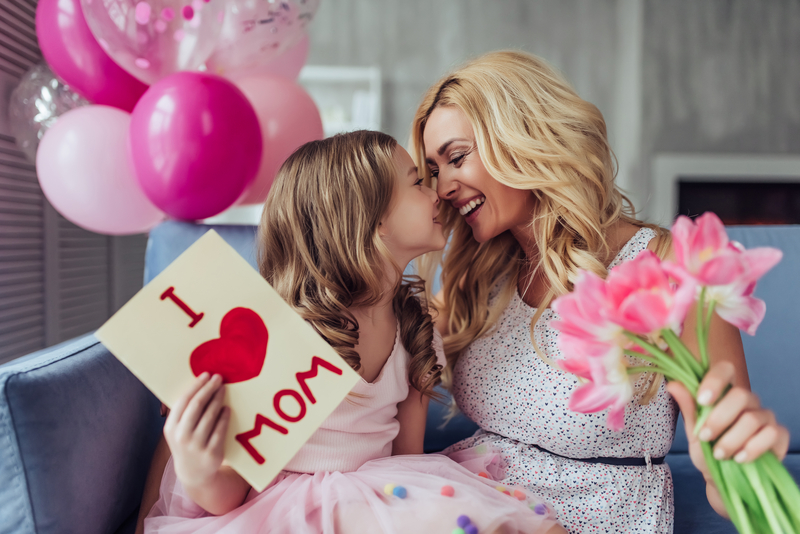
A study conducted by Rutgers University found that receiving flowers elicits genuine smiles and increased social connection. Just the act of seeing a bloom can spark happiness and gratitude, while the presence of flowers in one's living space increases feelings of vitality and life satisfaction.
The Psychological Benefits of Flowers
Reduction of Stress and Anxiety
Exposure to flowers like lavender and jasmine is widely recognized for reducing stress and promoting calmness. These flowers, whether enjoyed fresh or as essential oils, can help in lowering stress hormone levels and supporting relaxation.
- Lavender: Known for its calming scent, lavender helps to lower blood pressure and heart rates, effectively soothing the nervous system.
- Chamomile: Chamomile flowers are famous not only for their tea but also for their relaxing effects that help manage anxiety and improve sleep.
- Jasmine: The fragrance of jasmine is believed to bring about a sense of optimism and energy.
Combating Depression and Feelings of Isolation
During tough times, especially periods of isolation, the presence of flowers can alleviate depressive moods. Hospital patients recovering from surgery, for example, have reported improved moods and reduced fatigue when flowers are placed in their rooms. Fresh-cut flowers, potted blooms, or even images of flowers can serve as powerful reminders of natural beauty and hope, making them valuable tools in mental health care.
Physical Health Perks of Flowers
Beyond their emotional benefits, flowers can promote physical health in surprising ways. They improve indoor air quality, encourage movement, and even support faster recovery times.
- Air Purification: Many indoor plants and flowering species like peace lilies and orchids are renowned for their ability to filter toxins, contributing to cleaner air in your living environment.
- Promoting Activity: Gardening, arranging bouquets, or simply walking in a flower garden encourages physical movement, which is beneficial for heart and muscle health.
- Speedy Recovery: Studies show that the presence of flowers in hospital rooms can hasten recovery by lowering pain perception and decreasing recovery times.
Popular Flowers That Boost Mood and Well-Being
1. Sunflowers
With their bright yellow petals and cheery disposition, sunflowers are nature's symbol of hope and positivity. They are often associated with happiness and can infuse any space with an optimistic atmosphere.
2. Roses
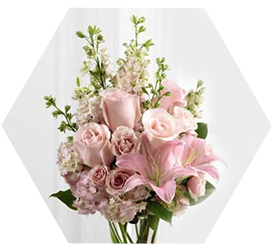
Roses are more than just tokens of love. Their delicate petals and intoxicating fragrance can evoke strong emotional responses, trigger happy memories, and reinforce feelings of connection.
3. Daisies
Daisies are symbols of innocence and joy. Their simple, open faces are associated with new beginnings and playfulness, making them a favorite for boosting daily optimism.
4. Lavender
Renowned for its calming scent, lavender is widely used in both bouquets and aromatherapy to ease anxiety and stress, encouraging tranquility in any environment.
5. Orchids
Known for their exotic beauty and air-purifying properties, orchids offer a sense of elegance and peace, improving the ambiance of homes and offices alike.
6. Peonies
Peonies symbolize prosperity and happiness. Their soft, lush blooms are frequently used in wellness environments to invoke feelings of contentment and well-being.
Ways to Incorporate Flowers for Mental and Physical Wellness
To make the most of the mood-boosting benefits of flowers, consider the following practical tips:
- Adorn your home with fresh flowers: Place bouquets in living spaces, bathrooms, or on your work desk for everyday happiness.
- Engage in flower gardening: Even small balcony or windowsill gardens can provide a creative outlet and encourage mindfulness.
- Try flower arranging: Making your own arrangements lets you tap into artistic expression and discover which flower combinations uplift your spirit.
- Use flower-based aromatherapy: Essential oils derived from flowers like lavender, rose, or jasmine can be diffused to foster relaxation and focus.
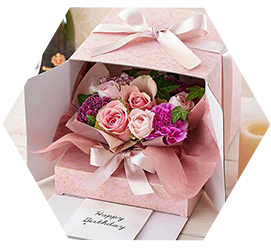
- Gift flowers thoughtfully: Sharing flowers with friends, family, or colleagues is a simple yet effective way to spread joy and improve moods.
- Bring flowers to work: A small vase on your office desk can enhance productivity, reduce stress, and create a positive work environment.
- Pressed flower crafts: Preserve memories and creativity by making bookmarks, art, or cards with pressed blossoms.

The Therapeutic Power of Flower Arranging
Flower arranging is more than a craft -- it's a therapeutic activity known as floristry therapy. This relaxation technique helps reduce tension, improve mood, and even boost cognitive function.
- Cognitive Engagement: Selecting and arranging flowers engages the brain, promoting focus, creativity, and a sense of accomplishment.
- Emotional Release: Working with flowers can serve as a form of mindfulness, providing a meditative experience that reduces negative emotions.
- Social Activity: Arranging flowers in a group or with family fosters connection, teamwork, and shared joy.
The Role of Flowers in Different Cultures and Traditions
Flowers have been used across different cultures to promote emotional well-being, celebrate life transitions, and mark rituals. In Japan, the practice of Ikebana -- the art of flower arranging -- is highly spiritual and encourages contemplation and peace.
In India, marigold garlands symbolize good fortune and are used in ceremonies to invoke happiness. Western cultures commonly use bouquets for love, sympathy, or celebration, reflecting the versatile power of flowers to convey emotion.
Best Practices for Maintaining Flowers for Extended Well-Being
To maximize the benefits of having flowers in your environment, it's essential to keep them fresh and vibrant. Here are some handy tips:
- Trim the stems regularly: Cutting the stems at an angle every few days helps flowers absorb water efficiently.
- Change the water frequently: Fresh water keeps bacteria at bay, letting your flowers last longer.
- Add flower food: Most bouquets come with nutrient packets -- use them to prolong floral freshness.
- Keep out of direct sunlight and away from heat sources: A cool, shaded spot helps preserve petals and fragrance.
Flowers as a Natural Remedy for Modern Life
In our digital age, spending long hours indoors and in front of screens can leave us feeling disconnected and overwhelmed. Flowers offer a natural antidote to this modern malaise by bringing elements of the outdoors into our daily routines.
- Screen-Free Stress Relief: Tending to plants or simply gazing at their beauty provides a much-needed break from technology.
- Sensory Reawakening: The visual, tactile, and fragrant qualities of flowers stimulate the senses and bring about a renewed sense of presence and awareness.
- Encouraging Mindfulness: Observing the delicate structure and transient beauty of a flower naturally draws attention to the present moment, a key principle in mindfulness practices.
Frequently Asked Questions About Flowers and Emotional Well-Being
Do all flowers improve mood, or are some better than others?
While nearly all flowers can have a mood-boosting effect, some species are especially known for their emotional impact due to their color, aroma, or cultural importance. Sunflowers, roses, and lavender are among the top picks for their proven calming and uplifting qualities.
Is it better to use fresh flowers or flower imagery?
Fresh flowers have more pronounced effects due to their fragrance and tactile appeal; however, even images or representations of flowers can spark positivity and inspiration when real blooms aren't accessible.
Can people with allergies benefit from flowers?
Yes, plenty of hypoallergenic flower varieties exist -- such as orchids, peonies, and certain roses -- that can still provide emotional benefits without aggravating allergies.
How can businesses use flowers to promote well-being?
Incorporating seasonal flowers in office spaces, reception areas, and communal rooms can influence workforce mood, boost creativity, and foster collaboration, leading to healthier workplace environments.
Conclusion: Embracing Flowers for Sustainable Well-Being
Flowers are a simple, natural solution to boost mood and enhance overall well-being in everyday life. Whether enjoyed through gardening, floral arrangements, gifting, or simply appreciating their ephemeral beauty, integrating flowers into your daily routine can transform your mental, emotional, and physical health for the better.
So, the next time you feel stressed, blue, or in need of inspiration, turn to the timeless wisdom of nature -- let flowers be your botanical remedy for a happier, healthier life.