Understanding the Meaning of Your Birth Flower
Posted on 27/09/2025
Understanding the Meaning of Your Birth Flower
Have you ever wondered what your birth flower says about you? Just as birthstones are treasured for their significance and symbolism, birth flowers carry a world of meaning, offering insight into your personality, relationships, and the milestones in your life. In this comprehensive article, you will learn about birth flower meanings, the significance they hold in different cultures, and how you can use them to celebrate yourself and your loved ones in special ways. Let's dive into the vibrant world of birth flowers and uncover the messages they hold.

What Are Birth Flowers?
Much like birthstones, birth month flowers are assigned to each month of the year. These flowers symbolize unique traits, emotions, and desires associated with people born during that time. Rooted in ancient traditions, birth flowers have become a lovely way to add personal significance to celebrations and gifts.
Every birth flower comes with its own history, expressive symbolism, and individual meaning. Recognizing your birth flower can also be a way to deepen your understanding of yourself and those around you.
Why Do Birth Flowers Have Meaning?
The tradition of assigning flowers to specific months can be traced back to the Victorian era's language of flowers (also known as floriography). During this period, people communicated secret emotions and messages through bouquets, each flower carefully selected for its symbolism. This custom evolved, and now each birth month is associated with one or more flowers that best reflect the characteristics of people born during those times.
- Personal Significance: Birth flowers carry personal symbolism, often linked to traits, moods, or aspirations of people born in each month.
- Cultural Traditions: In various cultures, certain flowers are considered lucky or are traditionally gifted for birthdays and special events.
- Astrological Connections: Some believe birth flowers correspond to astrological signs, amplifying their meaning in one's life.
A Month-by-Month Guide to Birth Flowers and Their Meanings
Let's explore each month's birth flower, what it looks like, its origin, and most importantly, its symbolic meaning. Whether you're gifting flowers for a birthday or simply curious about your own birth flower significance, this guide will help you understand what each bloom represents.
January Birth Flower: Carnation & Snowdrop
- Carnation: Carnations are classic winter flowers symbolizing love, fascination, and distinction. Their vibrant colors make them ideal for expressing admiration. Carnations are often linked to strength and resilience, two qualities valued in people born in January.
- Snowdrop: These delicate white flowers signify hope and rebirth. Snowdrops are among the first blooms to appear in the new year, representing optimism and new beginnings.
February Birth Flower: Violet & Primrose
- Violet: The violet stands for modesty, loyalty, and faithfulness. People born this month are thought to be sincere and honest.
- Primrose: Primrose expresses young love and devotion. Its early spring bloom is a reminder of perseverance through challenging winters.
March Birth Flower: Daffodil
- Daffodil: Symbolizing new beginnings and rebirth, the daffodil is all about hope, joy, and prosperity--fitting for those born as spring unfolds. Gifting daffodils is said to bring happiness and good fortune.
April Birth Flower: Daisy & Sweet Pea
- Daisy: The daisy is a symbol of innocence, purity, and loyal love. It's a favorite for people who cherish simplicity and cheerfulness.
- Sweet Pea: Sweet peas convey gratitude, pleasure, and departure. Their delicate fragrance and lovely colors make them popular gift choices.
May Birth Flower: Lily of the Valley & Hawthorn
- Lily of the Valley: This flower expresses humility, sweetness, and a return to happiness. Associated with purity and motherhood, it makes a thoughtful Mother's Day gift for May birthdays.
- Hawthorn: Hawthorn flowers symbolize hope and fertility. In folklore, they represent happiness in the home.
June Birth Flower: Rose & Honeysuckle
- Rose: As one of the world's most beloved flowers, the rose stands for love, beauty, and appreciation. Each color holds different meanings, from red's passion to yellow's friendship.
- Honeysuckle: This sweetly scented flower suggests devoted love and happiness. June-born people are often thought to be passionate and vibrant.
July Birth Flower: Larkspur & Water Lily
- Larkspur: Representing lightness and open heart, larkspur is a sign of positivity during summer. Each color also has its meaning: pink for fickleness, white for happiness, and purple for first love.
- Water Lily: Water lilies epitomize purity, enlightenment, and rebirth. Their serene beauty adds a touch of calm and wisdom.
August Birth Flower: Gladiolus & Poppy
- Gladiolus: This flower signifies strength of character, sincerity, and integrity. The tall, striking gladiolus is perfect for recognizing achievements.
- Poppy: Poppies represent imagination, remembrance, and consolation. Their bold colors radiate charm and creativity.
September Birth Flower: Aster & Morning Glory
- Aster: The aster symbolizes wisdom, faith, and valor. It is known to bring good luck and positive energy.
- Morning Glory: Morning glories embody affection and the bond of love. They open in the morning sun, mirroring hope and renewal.
October Birth Flower: Marigold & Cosmos
- Marigold: Vibrant marigolds stand for passion, creativity, and warmth. In some cultures, they also symbolize remembrance and honoring the departed.
- Cosmos: Cosmos flowers exude order, peace, and serenity. Giving cosmos as a gift speaks of harmony and deep understanding.
November Birth Flower: Chrysanthemum
- Chrysanthemum: The "mum," as it's known, signifies friendship, cheerfulness, and abundance. Associated with happiness and longevity, it is widely respected across cultures, especially in Asia.
December Birth Flower: Narcissus & Holly
- Narcissus (Paperwhite): These lovely winter flowers are signs of good wishes, hope, and respect. Gifting narcissus expresses a desire for happiness and prosperity in the year ahead.
- Holly: Holly is a classic holiday plant symbolizing defense, protection, and domestic happiness. Its spiky leaves and bright berries make it a festive favorite.
How to Celebrate Birthdays with Birth Flowers
Adding a personal touch to birthdays, anniversaries, or special occasions is easy when you incorporate birth flowers. Here's how you can use the meaning of your birth flower to make celebrations even more memorable:
- Floral Bouquets: Create a bouquet featuring the recipient's birth month flower--thoughtful, personalized, and meaningful.
- Jewelry and Art: Many artists and jewelers design beautiful pieces highlighting birth flowers, perfect for keepsake gifts.
- Decor and Stationery: Incorporate birth flower imagery in invitations, greeting cards, or home decor to celebrate milestones creatively.
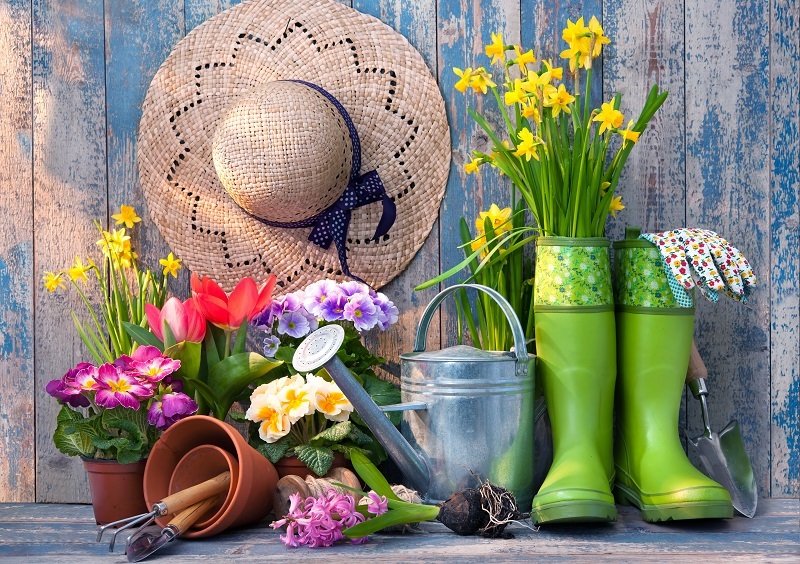
- Gardening: Encourage someone to plant their birth flower in their garden, making their connection to the flower more tangible.
Birth Flowers Around the World
Did you know that birth flowers can vary based on culture and geography? While the most common western list of birth flowers is widely used, some countries have their own traditions:
- Japan: Hanakotoba, the Japanese language of flowers, assigns unique meanings that can differ from Western interpretations.
- United Kingdom: The Royal Horticultural Society offers its own version of the birth flower calendar.
- South America: Many Latin American countries blend indigenous and European customs when choosing symbolic flowers.
No matter where you are, the meaning of your birth flower can connect you with both tradition and nature's beauty.
Frequently Asked Questions about Birth Flowers
Can I have more than one birth flower?
Yes! Some months have two birth flowers, and you are free to choose the one that resonates with you most or appreciate both for their different meanings.
Do flower colors matter?
They certainly do! Many birth flowers come in a range of colors, and each color may add unique layers of symbolism. For example, a red carnation means admiration, while a pink carnation means gratitude.
How can I use my birth flower in everyday life?
- Add your birth flower to your garden for daily inspiration.
- Wear jewelry or accessories decorated with your flower's design to keep its meaning close.
- Decorate your home or workspace with art or arrangements inspired by your birth flower.
Birth Flowers and Your Personality
The symbolism behind your birth flower can offer insight into key aspects of your character. Many believe that, like zodiac signs, your birth flower aligns with unique personal traits. Here are a few examples:
- Carnation (January): People are often admired for their resilience and affection.
- Lily of the Valley (May): May-born individuals are thought to be sweet-natured and hopeful.
- Rose (June): June birthdays are said to have a strong sense of beauty, love, and appreciation for life's aesthetics.
Remember: These traits are general and symbolic. Everyone is wonderfully unique!
Choosing the Right Birth Flower Gifts
If you want your gifts to say more than words ever could, consider the meaningful language of birth flowers. Here are some creative ideas for birth flower gifts:
- Personalized Jewelry: Choose necklaces, bracelets, or rings featuring birth flower motifs.
- Customized Stationery: Opt for notebooks, journals, or cards with illustrations of the recipients' birth flowers.
- Birth Flower Candles or Soaps: Many artisans create home and body products scented or decorated with birth flowers.
- Pressed Flower Art: A handmade press of the birth flower in a frame is both beautiful and timeless.
These personalized gifts are perfect for birthdays, Mother's Day, or any celebration that deserves a heartfelt touch.
Conclusion: Embrace the Meaning of Your Birth Flower
Your birth flower is more than just a botanical symbol--it is a reflection of history, culture, personality, and the beauty of nature itself. Whether you're sending a birthday message, planning a meaningful gift, or simply appreciating the blooms in your life, understanding the symbolism of your birth flower can deepen your connections and bring joy to every occasion. Explore the world of birth flower meanings and discover the story your flower has to tell!
For more insights into the language of flowers, keep learning and growing--after all, there's a whole garden of meaning waiting to be explored.